 Business License

Principles of Blackbody Radiation Sources
Principles of Blackbody Radiation Sources
All objects emit electromagnetic radiation within a specific range of wavelengths. Radiation incident upon an object is partially absorbed and partially reflected. Under conditions of thermodynamic equilibrium, the rate at which an object absorbs radiation is equal to the rate at which it emits radiation. Consequently, a good absorber of radiation—any object that absorbs radiation—is also an excellent emitter. A perfect absorber is capable of absorbing all electromagnetic radiation incident upon it; such an object is known as a blackbody.
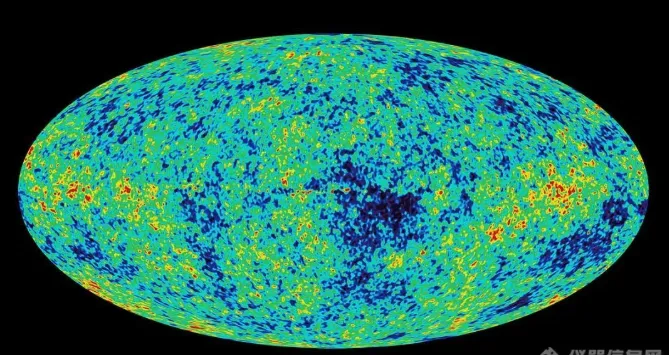
Figure 1: Cosmic Microwave Background Radiation (the most perfect blackbody in nature)
In thermodynamics, a black body is an idealized object capable of absorbing all incident electromagnetic radiation, without any reflection or transmission. As its temperature rises, the electromagnetic waves and light radiated by the black body are referred to as black-body radiation.
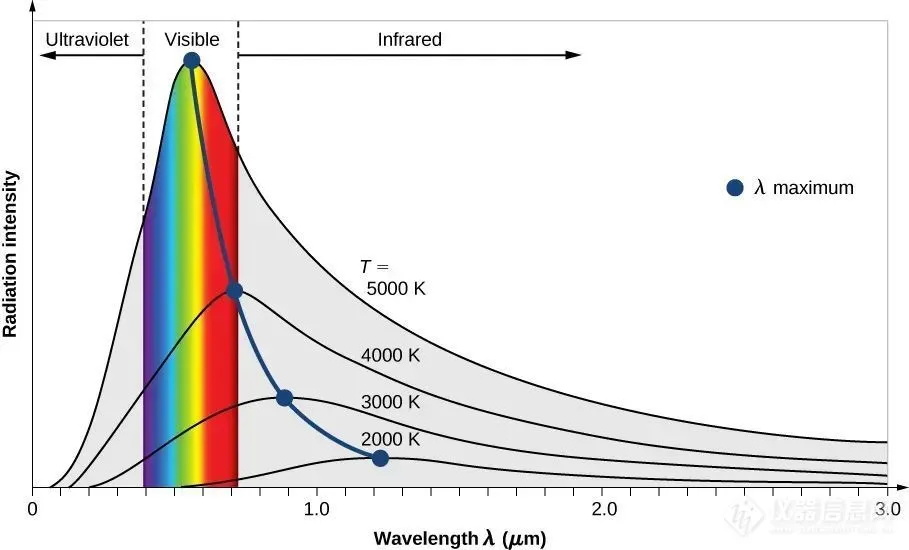
Figure 2: Relationship between Blackbody Radiation Intensity and Emission Wavelength
Black-body radiation is the radiation emitted by an ideal black body in a state of thermal equilibrium; its intensity and spectral distribution depend solely on temperature, rather than on the object's shape or composition.
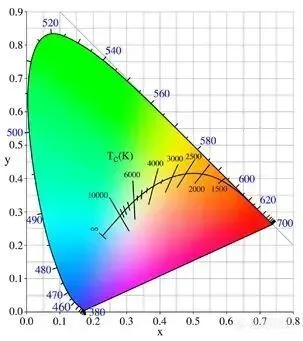
In everyday observation scenarios, the temperature of the target object is, in most cases, insufficient to emit radiation within the visible light spectrum. At such low temperatures, the human eye is unable to perceive radiation in the infrared band. Consequently, infrared thermal imagers utilize the principle of radiative temperature sensing to determine the surface temperature of an object by detecting its infrared radiation. By integrating an infrared detector with an optical system, the thermal imager maps the spatial distribution of incoming infrared radiation onto the detector; this radiation is then converted into electrical voltage signals, thereby generating an image that visualizes the distribution of radiation. Through calibration against a standard radiation source, a precise relationship between temperature and voltage is established, thereby enabling the accurate measurement of an object's surface temperature.
As a standard radiation source, a blackbody serves to simulate the radiative characteristics of objects under study by precisely controlling the temperature of its light source. This capability allows for the calibration and verification of the response characteristics of infrared thermometers, thermal imagers, and various other types of infrared detectors. The inherent performance of the blackbody itself directly dictates the quantitative accuracy and precision of the infrared imaging system. A high-performance blackbody can significantly expand both the scope and depth of an infrared imaging system's applications; specifically, it enables the calibration of highly sensitive infrared imaging systems, thereby substantially enhancing their overall detection capabilities.
Leveraging over 14 years of industry experience, Tai'an Demei Electromechanical Equipment Co., Ltd. is dedicated to providing customers worldwide with blackbody radiation sources characterized by stable output, high emissivity, precise temperature control, and strong resistance to electromagnetic interference. These sources are applicable across a wide range of scenarios, including the adjustment and calibration of temperature scales in high-temperature systems, thermal imaging systems, heat flux measurement systems, and spectral analysis systems, as well as in infrared target simulation systems.
Recently Posted
-
Method for Calibrating Thermocouples Using a Dry-Block Calibrator
April 8, 2026Method for Calibrating Thermocouples Using a Dry-Block CalibratorDuring operation, the hot junction of a thermocouple is subject t Read More
 -
Basic principles and temperature measurement errors of resistance temperature detectors (RTDs)
March 12, 2026Resistance temperature detectors (RTDs) are commonly used temperature sensing elements in the medium and low temperature range. Th Read More
 -
The main differences between metrological calibration and verification
March 12, 2026ISO 10012—1, "Quality assurance requirements for metrological testing equipment," defines "calibration" as: &q Read More
 -
Differences in the heat transfer medium of the Thermostatic bath
March 11, 2026The heat transfer medium in a constant temperature bath is also known as a heat carrier. Its main function is to conduct heat unde Read More

Contact Us
Recommended Products
-
 DY-JDL600 High-temperature Thermocouple Calibration Tube FurnaceNegotiableMOQ: 1 Piece
 -
Laboratory High Precision Thermocouple Calibration Furnace/ Thermocouple Calibration FurnaceNegotiableMOQ: 1 Piece
-
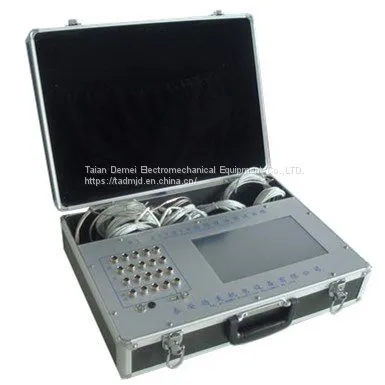
DY-XJY01B Portable Multi-Channel Temperature and Humidity Field Testing SystemNegotiableMOQ: 1 Set
-
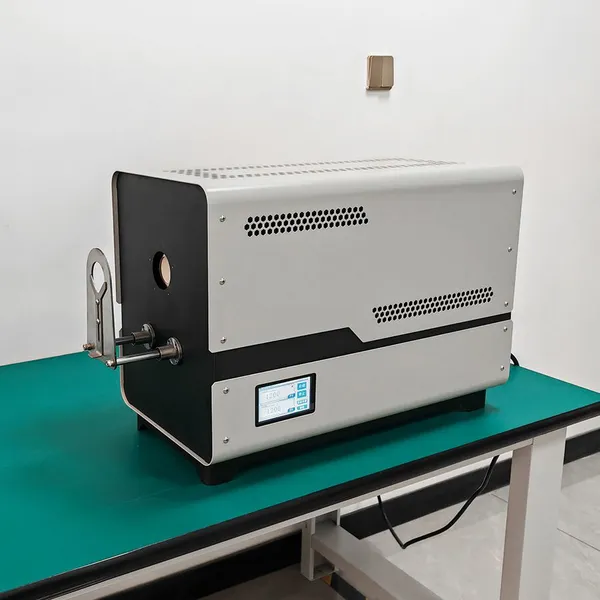
DY-JDL600 Thermocouple Calibration Furnace(300-1200c)NegotiableMOQ: 1 Piece
-
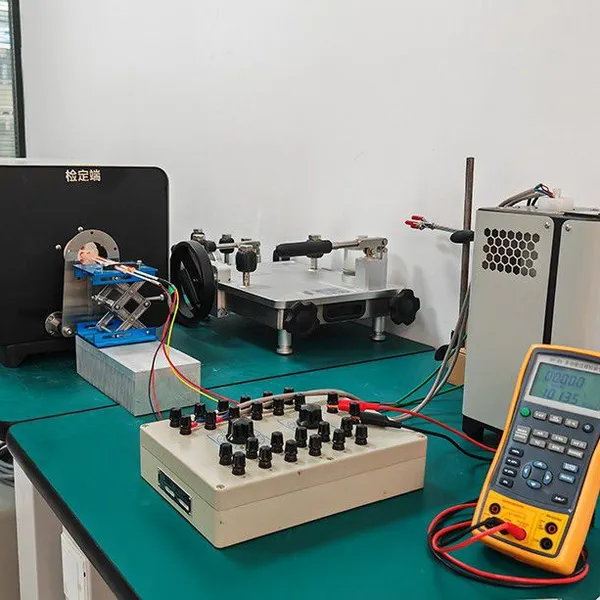
DY-JDL Horizontal Laboratory Temperature CalibrationNegotiableMOQ: 1 Piece
-
Portable Multi-Channel Temperature and Humidity Field Testing SystemNegotiableMOQ: 1 Set
-
Portable Multi-Channel Temperature and Humidity Field Testing SystemNegotiableMOQ: 1 Set
-
DY-JDL Laboratory Temperature Calibration / Thermocouple Calibration FurnaceNegotiableMOQ: 1 Piece
-
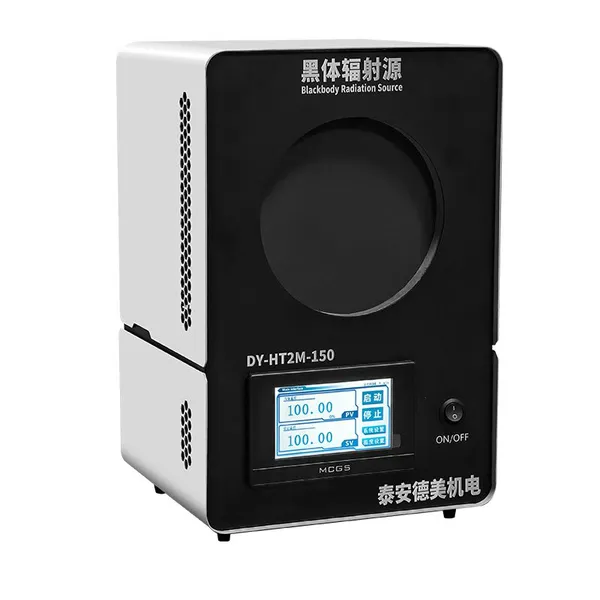
DY-HT2M-150 Medium Temperature Surface Source Blackbody Furnace, Radiation Surface 150mm (room Temperature +5-500℃)NegotiableMOQ: 1 Piece
-
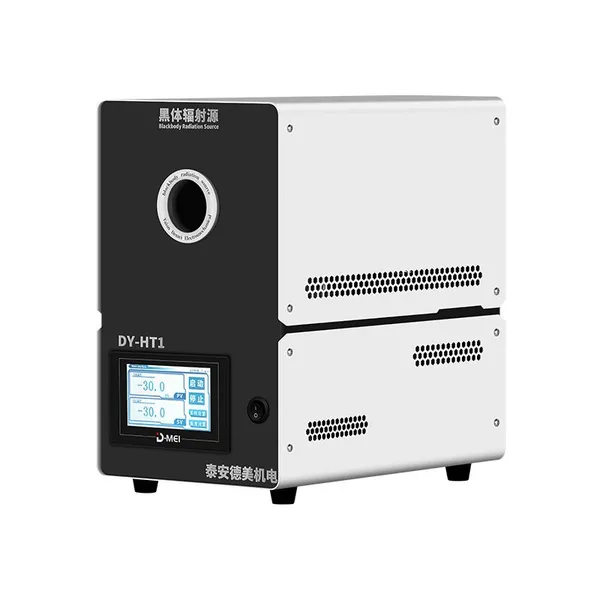
DY-HT1 Cavity Blackbody Radiation SourceNegotiableMOQ: 1 Set
-
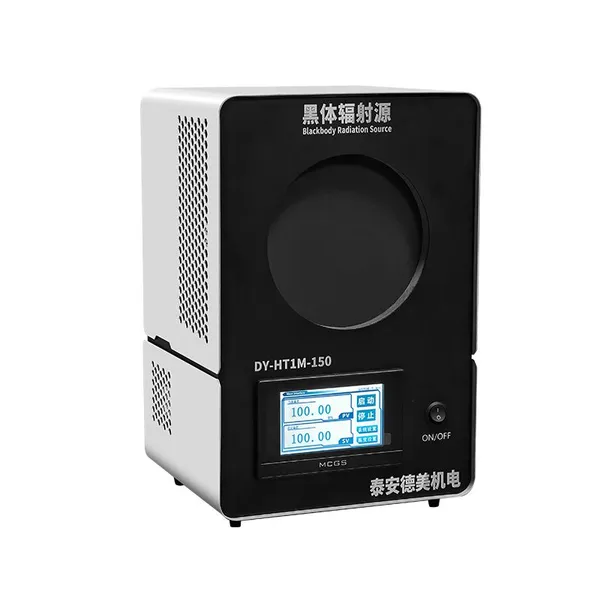
DY-HT1M-150 Low Temperature Surface Source Black Body Furnace, Radiation Surface 150mm (-20-100℃)Infrared Thermometer Calibration InstrumentNegotiableMOQ: 1 Piece
-
DY-GTLB Transformer Oil Level Thermometer Detection Device (-20℃-150℃)NegotiableMOQ: 1 Piece
-
DY-HT4-1 Blackbody Furnace/blackbody Radiation Source (800℃-1450℃)NegotiableMOQ: 1 Piece
-
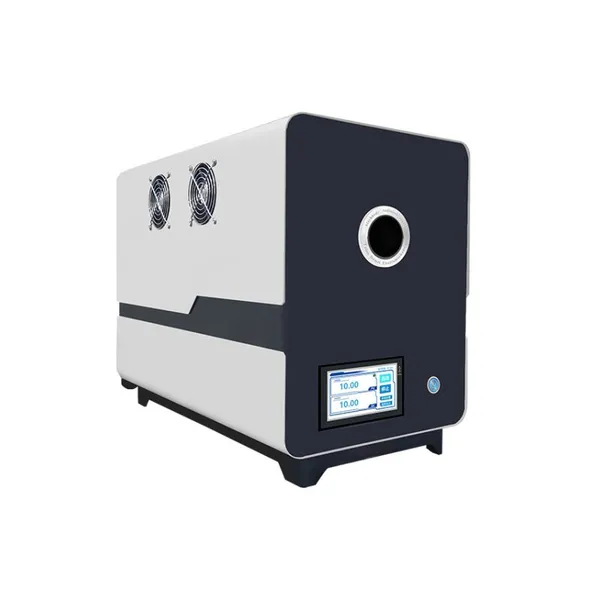
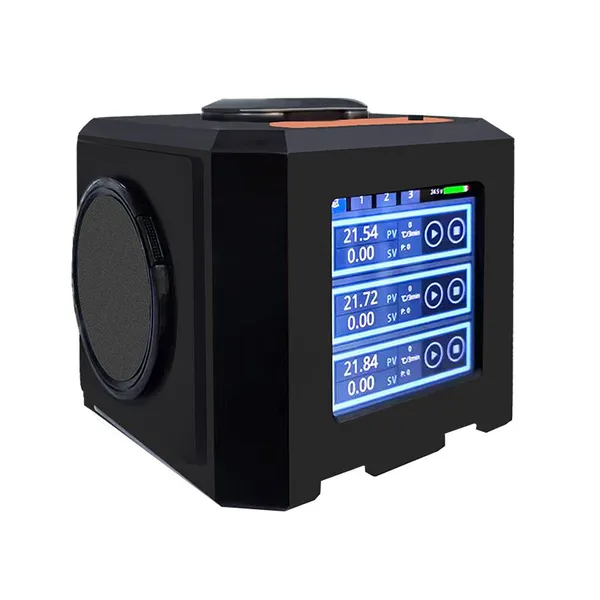
DY-HT70MD Portable Intelligent Multi-faceted Blackbody Furnace (room Temperature +5°C~150℃)NegotiableMOQ: 1 Piece
-
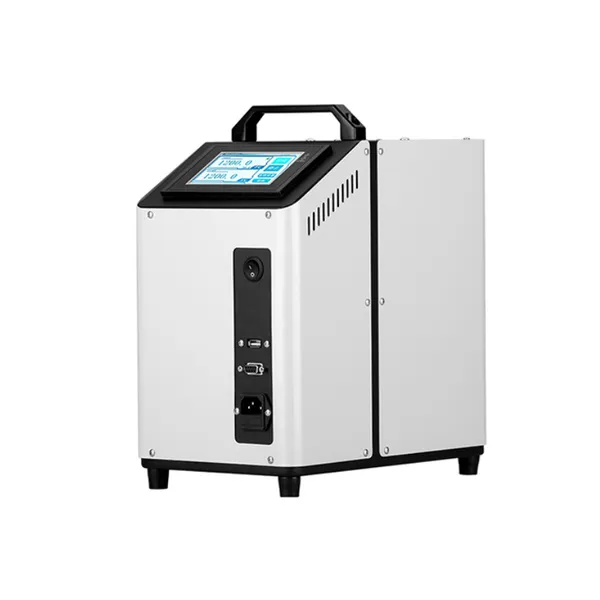
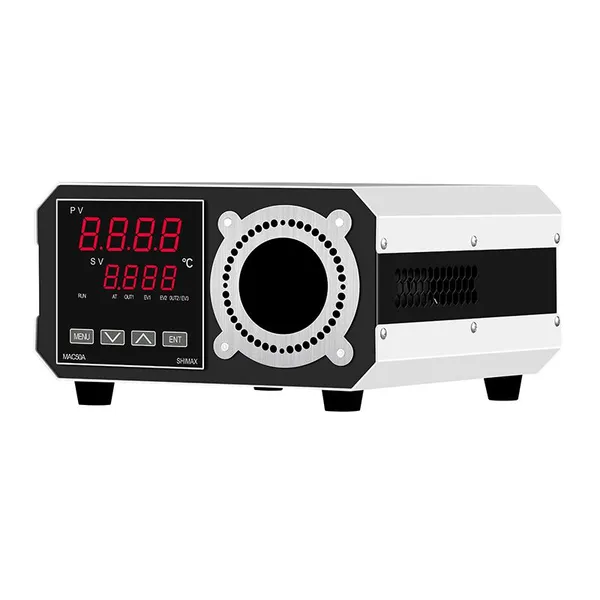
DY-HT50M Portable Blackbody Furnace, Radiation Surface 50mm (room Temperature +5℃-500℃)/Infrared Thermometer Calibration InstrumentNegotiableMOQ: 1 Piece
-
DY-JDL Thermocouple Calibration FurnaceNegotiableMOQ: 1 Piece
-
DY-JDL Laboratory Temperature Calibration Base Metal Thermocouple Calibration Furnace (300-1200c)NegotiableMOQ: 1 Piece
-
Thermocouple Cleaning and Annealing DeviceNegotiableMOQ: 1 Piece
-
Rapid Heating Blackbody Radiation Sources of Radiation Thermometry/ Standard Blackbody Stove(300-1200c)NegotiableMOQ: 1 Piece
-
High Precision Dry Block Temperature Calibrator/Dry Block Calibrator Definition(50-600c)NegotiableMOQ: 1 Piece