 Business License

Differences in the heat transfer medium of the Thermostatic bath
The heat transfer medium in a constant temperature bath is also known as a heat carrier. Its main function is to conduct heat under stirring, dispersing heat evenly. The applicable temperature range for heat transfer media is generally from the flash point (or boiling point) to the freezing point. Currently, commonly used heat transfer media include dimethyl silicone oil, base oil, edible oil, water, and alcohol.
Oil-based heat transfer media used in high-temperature areas may exhibit carbonization and gelation after a period of use, affecting the uniformity and stability of the temperature field. Therefore, in actual use, the oil quality should be carefully observed according to the frequency of use, and replaced with new oil as needed. Among products in the methyl silicone oil family, benzyl silicone oil performs better than dimethyl silicone oil. It has lower viscosity and a wider applicable temperature range. Under the same conditions, its temperature field stability and uniformity are also better than dimethyl silicone oil. However, at high temperatures, benzyl silicone oil volatilizes a large amount of fumes and releases benzene, a highly irritating component to the human respiratory system and eyes, causing serious pollution to personnel and the surrounding environment. Therefore, benzyl silicone oil is unsuitable as a heat transfer medium. Due to significant differences in water quality between northern and southern my country, the impact on constant temperature baths varies. Northern water is alkaline, leading to scaling in bottom-stirred constant temperature baths, which can easily trap magnets. Southern water is acidic, causing corrosion of the stirring shaft and bearings (typically electroplated parts and copper materials), making them prone to breakage. Pure alcohol can be used as a heat transfer medium down to -100℃, but its low flash point (around 40℃) poses a significant fire hazard, a major concern.
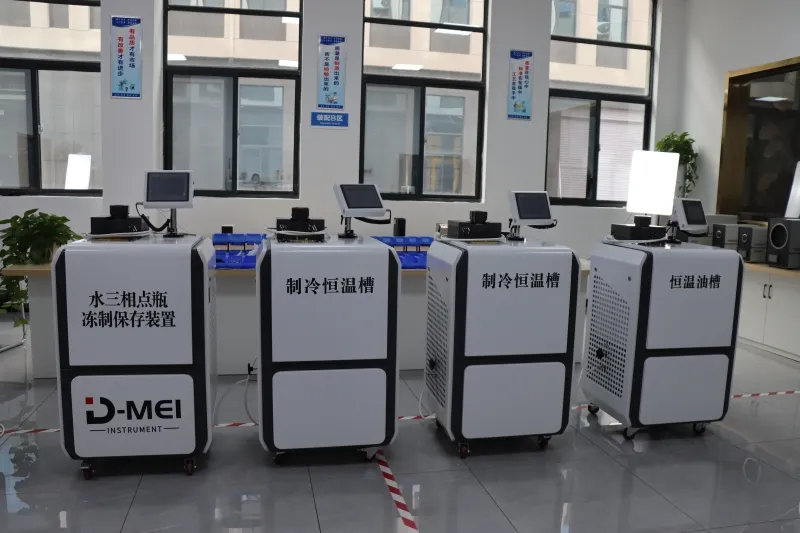
Foreign products generally use dimethyl silicone oil, with a suitable temperature range of -40℃ to 300℃. Dimethyl silicone oil has ideal appearance and physicochemical properties, but its price is extremely high, more than six times that of ordinary oils, and its lifespan is less than a quarter of that of ordinary oils.
Currently, the heat transfer media we use are not dedicated heat transfer products. They have many shortcomings in terms of safety performance, applicable temperature range, service life, and environmental protection. There is an urgent need for professional research institutions to research and develop heat transfer media that are safe and reliable, have a wide applicable temperature range, long service life, and less environmental pollution.
Recently Posted
-
Principles of Blackbody Radiation Sources
April 14, 2026Principles of Blackbody Radiation SourcesAll objects emit electromagnetic radiation within a specific range of wavelengths. Radiat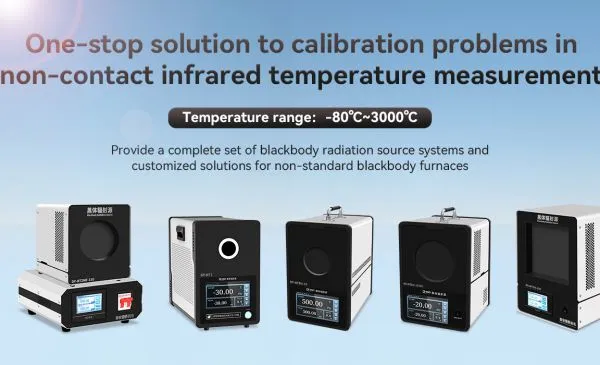 Read More
 -
Method for Calibrating Thermocouples Using a Dry-Block Calibrator
April 8, 2026Method for Calibrating Thermocouples Using a Dry-Block CalibratorDuring operation, the hot junction of a thermocouple is subject t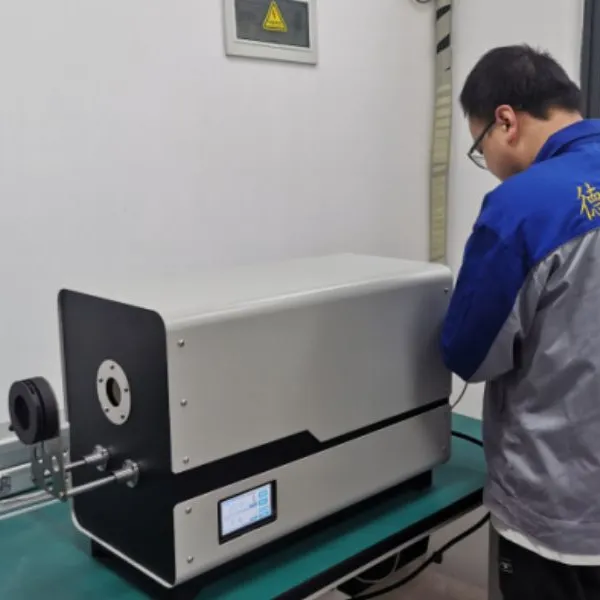 Read More
 -
Basic principles and temperature measurement errors of resistance temperature detectors (RTDs)
March 12, 2026Resistance temperature detectors (RTDs) are commonly used temperature sensing elements in the medium and low temperature range. Th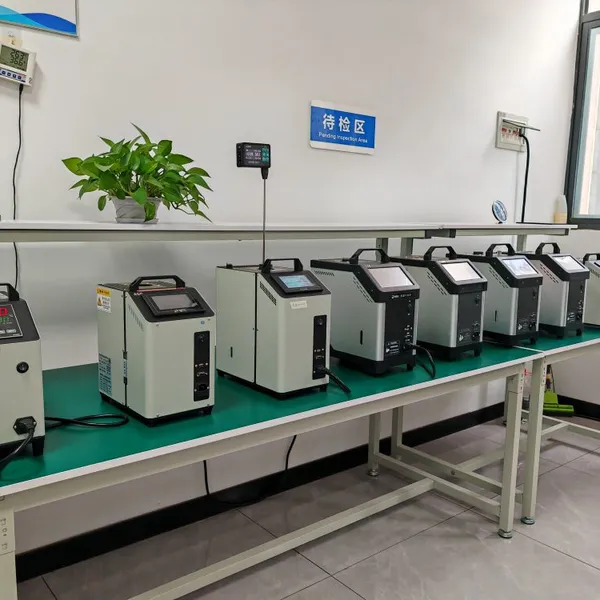 Read More
 -
The main differences between metrological calibration and verification
March 12, 2026ISO 10012—1, "Quality assurance requirements for metrological testing equipment," defines "calibration" as: &q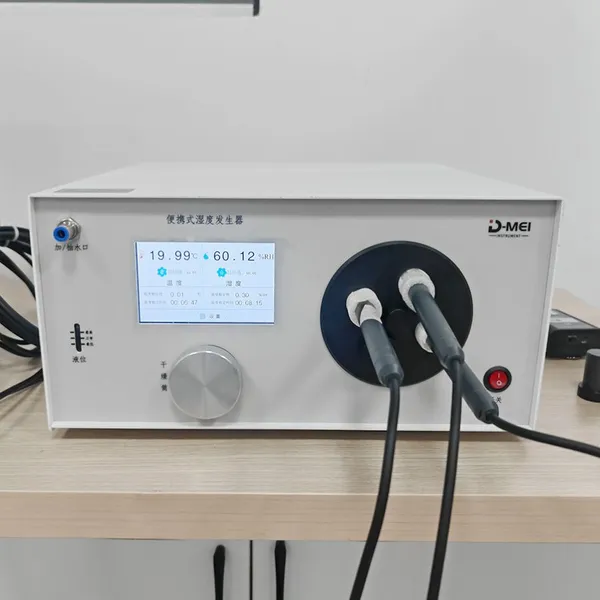 Read More

Contact Us
Recommended Products
-
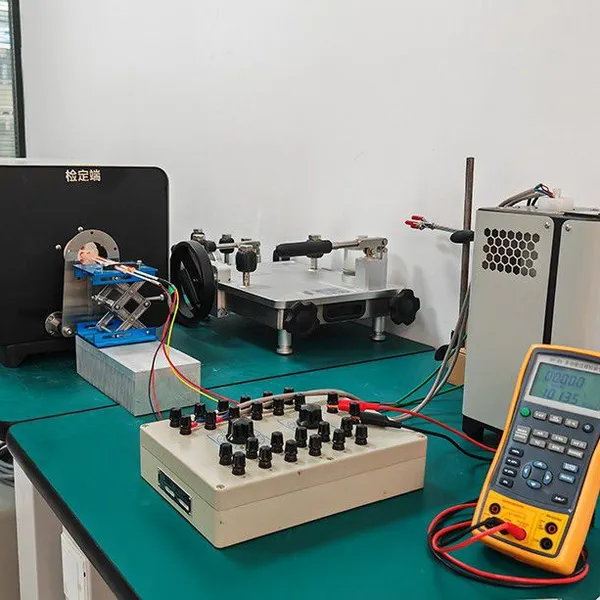
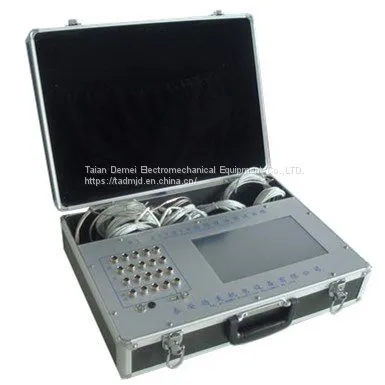
 DY-XJY01B Portable Multi-Channel Temperature and Humidity Field Testing SystemNegotiableMOQ: 1 Set
 -
DY-JDL600 Thermocouple Calibration Furnace(300-1200c)NegotiableMOQ: 1 Piece
-
DY-JDL Horizontal Laboratory Temperature CalibrationNegotiableMOQ: 1 Piece
-
Portable Multi-Channel Temperature and Humidity Field Testing SystemNegotiableMOQ: 1 Set
-
Portable Multi-Channel Temperature and Humidity Field Testing SystemNegotiableMOQ: 1 Set
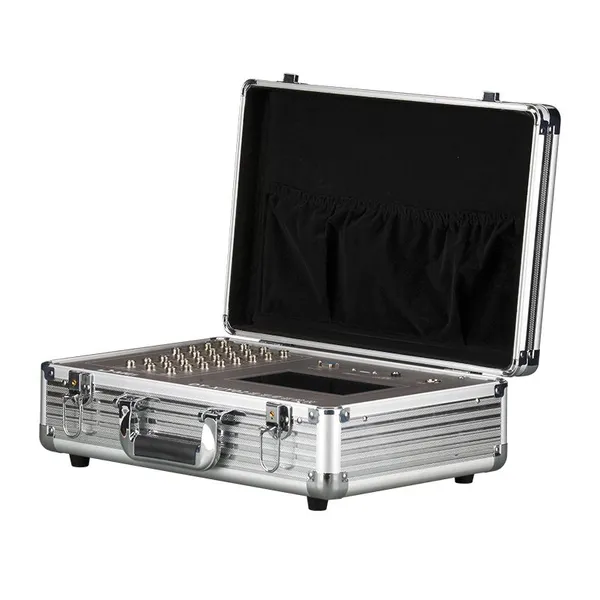
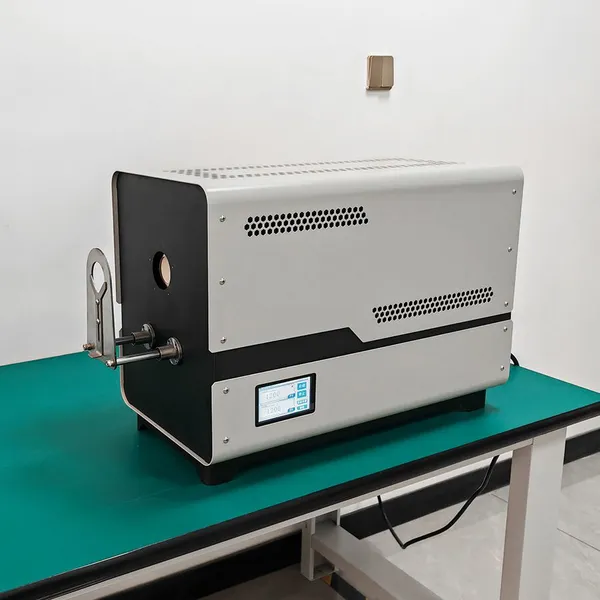
-
DY-JDL Laboratory Temperature Calibration / Thermocouple Calibration FurnaceNegotiableMOQ: 1 Piece
-
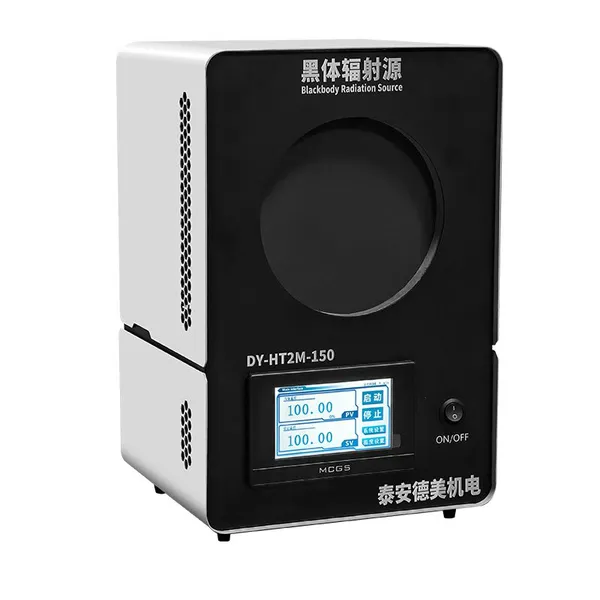
DY-HT2M-150 Medium Temperature Surface Source Blackbody Furnace, Radiation Surface 150mm (room Temperature +5-500℃)NegotiableMOQ: 1 Piece
-
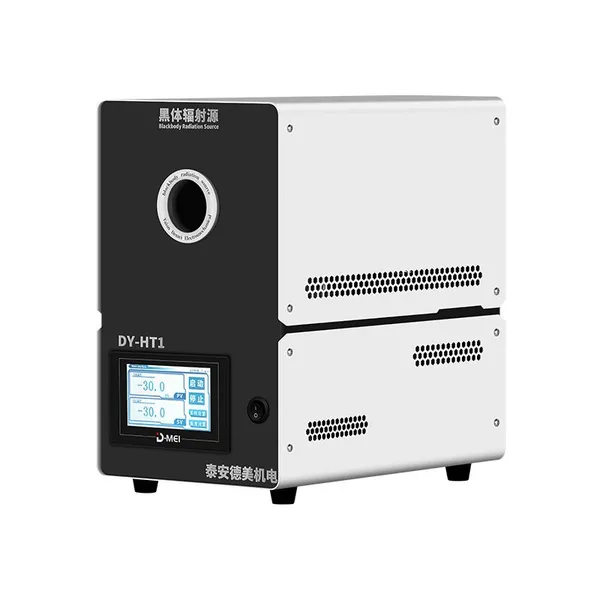
DY-HT1 Cavity Blackbody Radiation SourceNegotiableMOQ: 1 Set
-
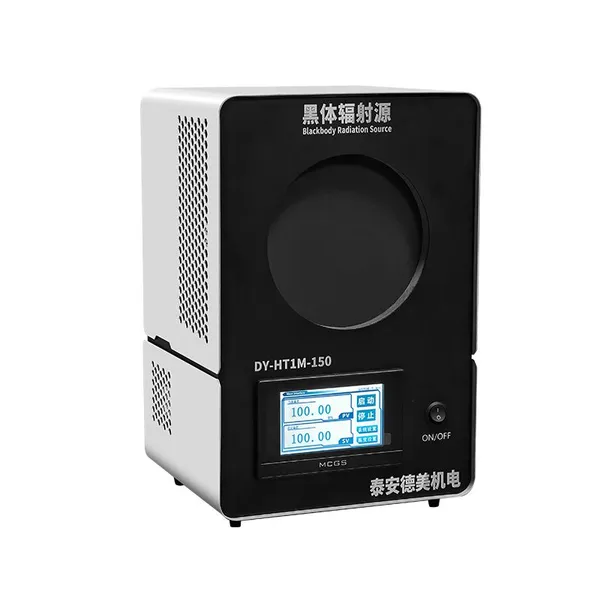
DY-HT1M-150 Low Temperature Surface Source Black Body Furnace, Radiation Surface 150mm (-20-100℃)Infrared Thermometer Calibration InstrumentNegotiableMOQ: 1 Piece
-
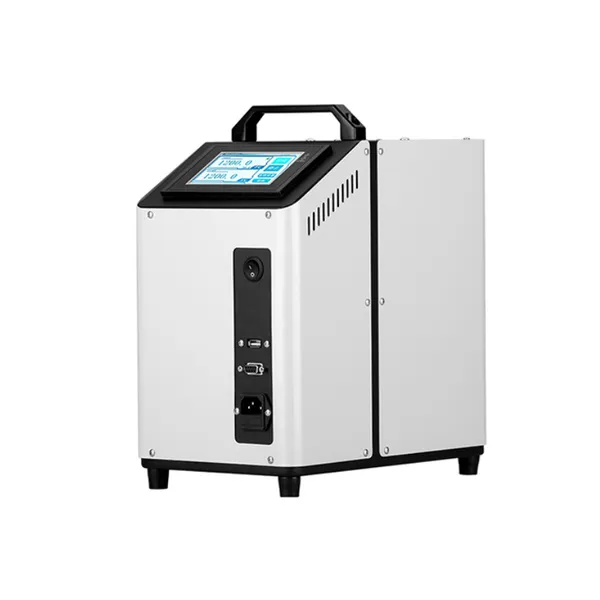
DY-GTLB Transformer Oil Level Thermometer Detection Device (-20℃-150℃)NegotiableMOQ: 1 Piece
-
DY-HT4-1 Blackbody Furnace/blackbody Radiation Source (800℃-1450℃)NegotiableMOQ: 1 Piece
-
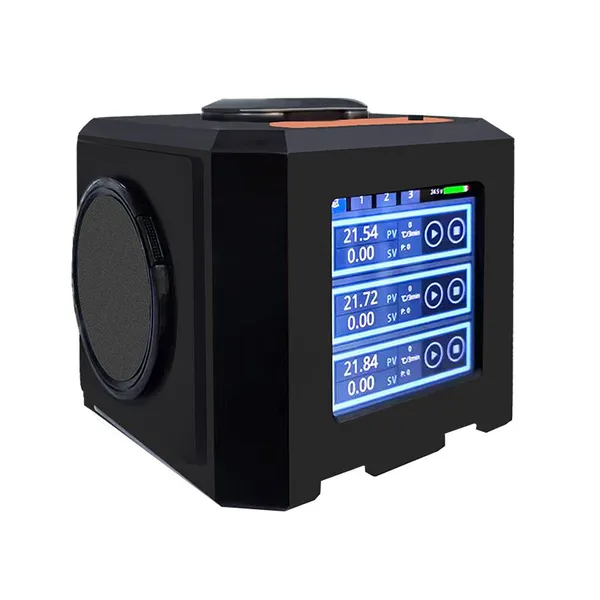
DY-HT70MD Portable Intelligent Multi-faceted Blackbody Furnace (room Temperature +5°C~150℃)NegotiableMOQ: 1 Piece
-
DY-HT50M Portable Blackbody Furnace, Radiation Surface 50mm (room Temperature +5℃-500℃)/Infrared Thermometer Calibration InstrumentNegotiableMOQ: 1 Piece
-
DY-JDL Thermocouple Calibration FurnaceNegotiableMOQ: 1 Piece
-
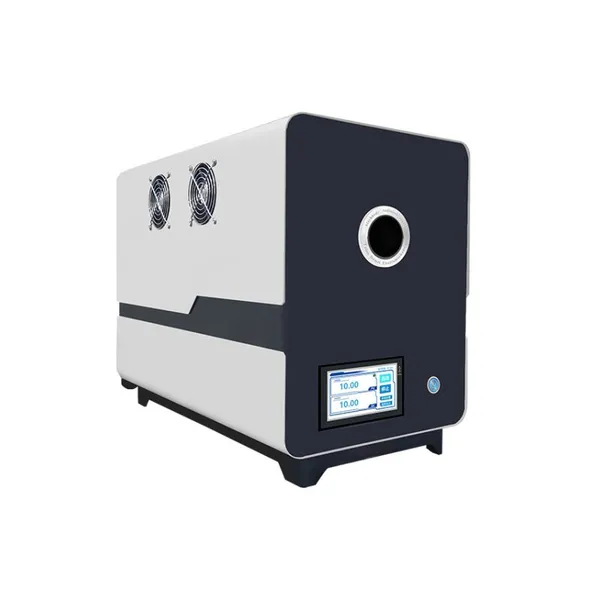
DY-JDL Laboratory Temperature Calibration Base Metal Thermocouple Calibration Furnace (300-1200c)NegotiableMOQ: 1 Piece
-
Thermocouple Cleaning and Annealing DeviceNegotiableMOQ: 1 Piece
-
Rapid Heating Blackbody Radiation Sources of Radiation Thermometry/ Standard Blackbody Stove(300-1200c)NegotiableMOQ: 1 Piece
-
High Precision Dry Block Temperature Calibrator/Dry Block Calibrator Definition(50-600c)NegotiableMOQ: 1 Piece
-
Thermocouple Annealing FurnaceNegotiableMOQ: 1 Piece
-
Rapid Heating Intelligent Dry Block Temperature Calibrator -120~40°CNegotiableMOQ: 1 Piece