 Business License

Basic principles and temperature measurement errors of resistance temperature detectors (RTDs)
Resistance temperature detectors (RTDs) are commonly used temperature sensing elements in the medium and low temperature range. They are stable and highly accurate, with platinum RTDs offering particularly high precision. Therefore, they are frequently used in industrial temperature measurement and often serve as standard reference instruments. The basic principle of RTD temperature measurement is based on the characteristic that the resistance of a metallic conductor increases with temperature. Most RTDs are made of pure metal materials, with copper and platinum being the most commonly used.
The errors in RTD temperature measurement typically include the following:
1. Differences in the resistance temperature coefficient α and adjustments to Ro can both cause errors.
2. Resistance calibration error. RTDs use a resistance-temperature calibration table; therefore, if the actual resistance value of the RTD does not match the value recorded in the table, calibration error will occur.
3. Errors caused by insulation resistance. The inductor wire of an RTD is usually wound on a frame made of materials such as mica, ceramic, glass, or plastic. At high temperatures, the insulation resistance of these materials decreases sharply, causing a reduction in the resistance value of the RTD and thus introducing measurement error. To achieve the required high-temperature insulation resistance, it is essential to select appropriate materials and strictly adhere to manufacturing processes.
4. The self-heating of the RTD can also introduce errors. Because the RTD's temperature rises slightly after current flows through it, the measured temperature will always be slightly higher than the actual temperature.
5. The RTD's lead wires can also cause errors. The resistance of the wires between the RTD and the display instrument can introduce measurement errors. Using three-wire or four-wire connections can effectively eliminate some of these lead wire errors.
6. The error of the display instrument is expressed in terms of its accuracy class. In short, a thorough understanding of the principles of RTD and thermocouple temperature measurement is crucial for troubleshooting and resolving problems and equipment malfunctions encountered during temperature measurement.
Recently Posted
-
Principles of Blackbody Radiation Sources
April 14, 2026Principles of Blackbody Radiation SourcesAll objects emit electromagnetic radiation within a specific range of wavelengths. Radiat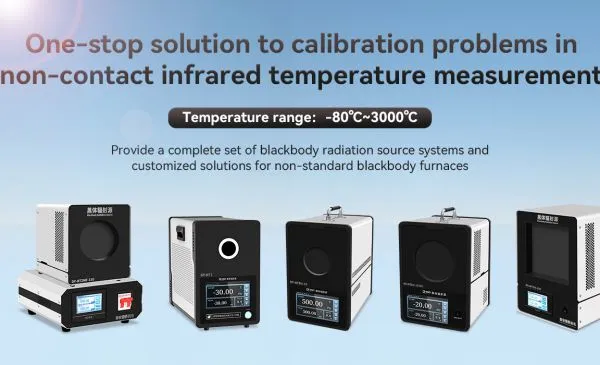 Read More
 -
Method for Calibrating Thermocouples Using a Dry-Block Calibrator
April 8, 2026Method for Calibrating Thermocouples Using a Dry-Block CalibratorDuring operation, the hot junction of a thermocouple is subject t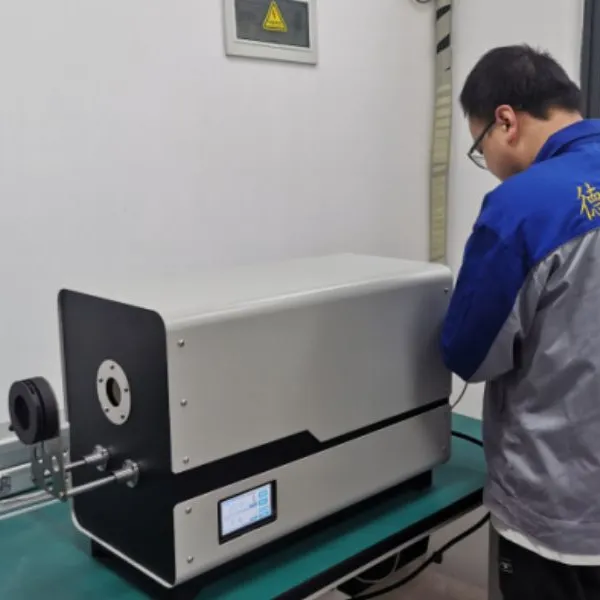 Read More
 -
The main differences between metrological calibration and verification
March 12, 2026ISO 10012—1, "Quality assurance requirements for metrological testing equipment," defines "calibration" as: &q Read More
 -
Differences in the heat transfer medium of the Thermostatic bath
March 11, 2026The heat transfer medium in a constant temperature bath is also known as a heat carrier. Its main function is to conduct heat unde Read More

Contact Us
Recommended Products
-
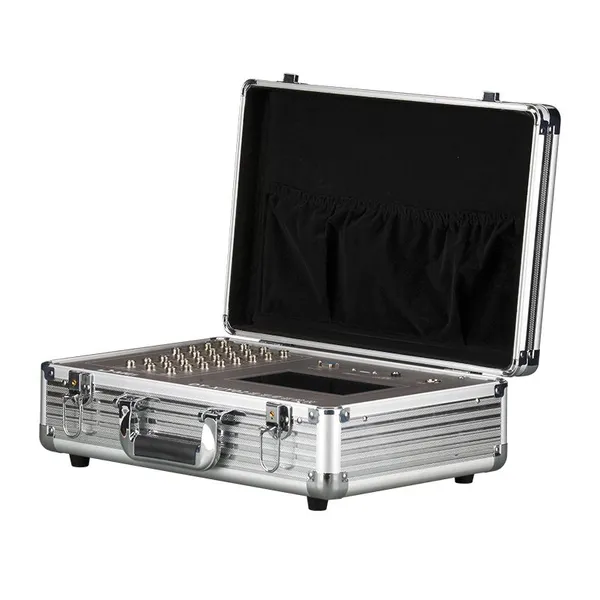
 DY-XJY01B Portable Multi-Channel Temperature and Humidity Field Testing SystemNegotiableMOQ: 1 Set
 -
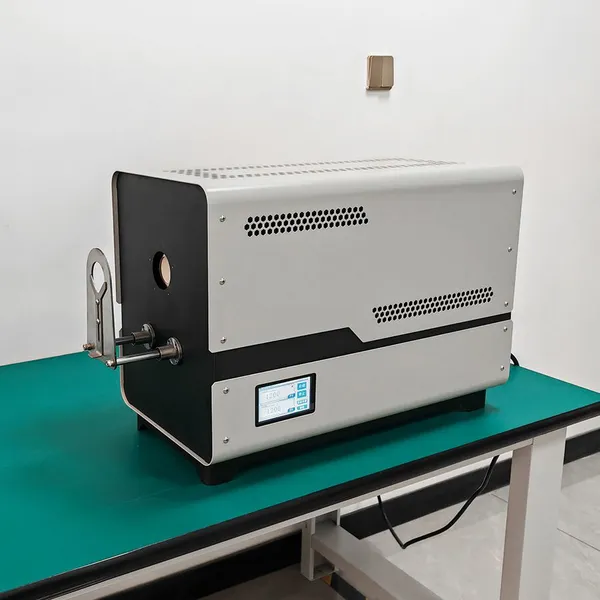
DY-JDL600 Thermocouple Calibration Furnace(300-1200c)NegotiableMOQ: 1 Piece
-
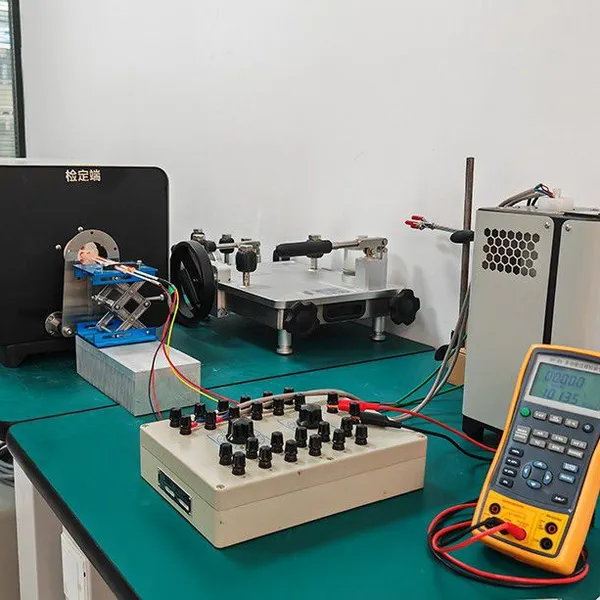
DY-JDL Horizontal Laboratory Temperature CalibrationNegotiableMOQ: 1 Piece
-
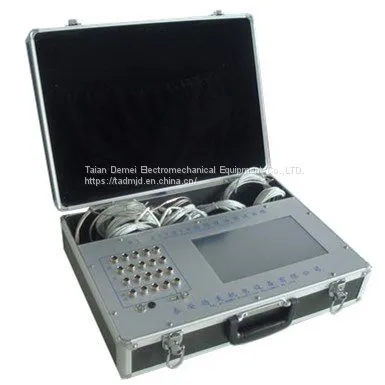
Portable Multi-Channel Temperature and Humidity Field Testing SystemNegotiableMOQ: 1 Set
-
Portable Multi-Channel Temperature and Humidity Field Testing SystemNegotiableMOQ: 1 Set
-
DY-JDL Laboratory Temperature Calibration / Thermocouple Calibration FurnaceNegotiableMOQ: 1 Piece
-
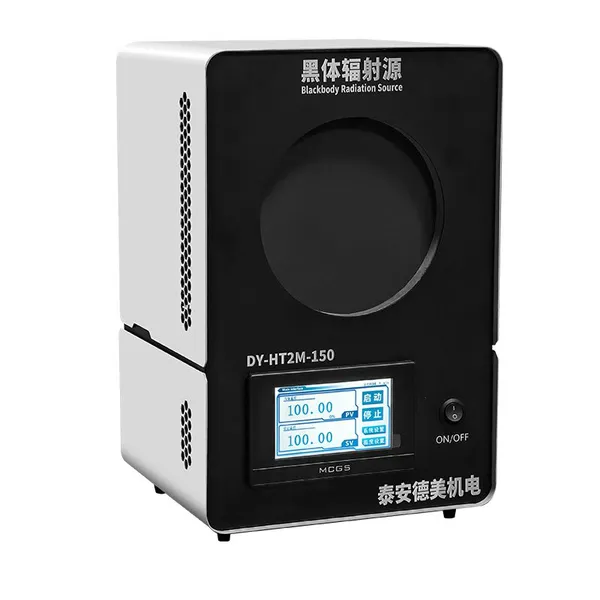
DY-HT2M-150 Medium Temperature Surface Source Blackbody Furnace, Radiation Surface 150mm (room Temperature +5-500℃)NegotiableMOQ: 1 Piece
-
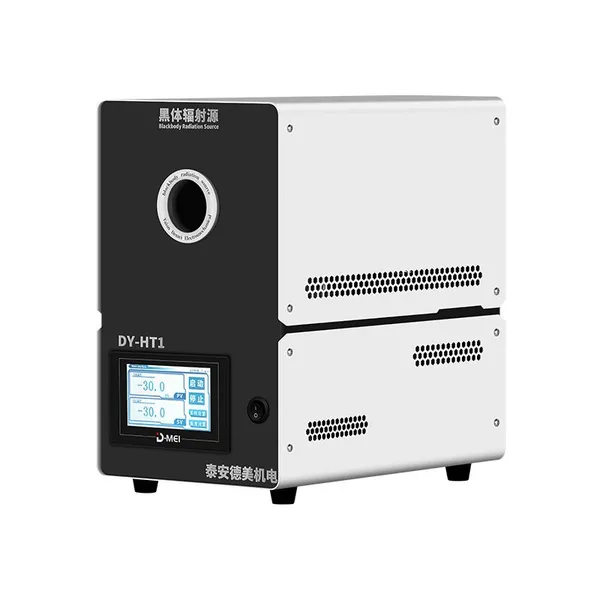
DY-HT1 Cavity Blackbody Radiation SourceNegotiableMOQ: 1 Set
-
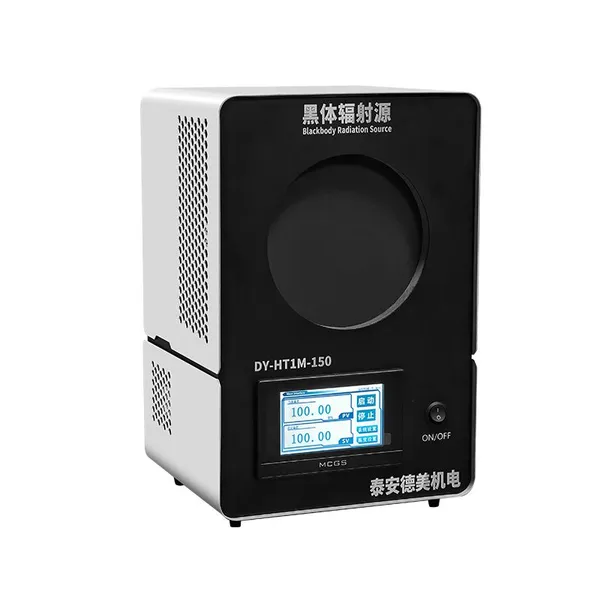
DY-HT1M-150 Low Temperature Surface Source Black Body Furnace, Radiation Surface 150mm (-20-100℃)Infrared Thermometer Calibration InstrumentNegotiableMOQ: 1 Piece
-
DY-GTLB Transformer Oil Level Thermometer Detection Device (-20℃-150℃)NegotiableMOQ: 1 Piece
-
DY-HT4-1 Blackbody Furnace/blackbody Radiation Source (800℃-1450℃)NegotiableMOQ: 1 Piece
-
DY-HT70MD Portable Intelligent Multi-faceted Blackbody Furnace (room Temperature +5°C~150℃)NegotiableMOQ: 1 Piece
-
DY-HT50M Portable Blackbody Furnace, Radiation Surface 50mm (room Temperature +5℃-500℃)/Infrared Thermometer Calibration InstrumentNegotiableMOQ: 1 Piece
-
DY-JDL Thermocouple Calibration FurnaceNegotiableMOQ: 1 Piece
-
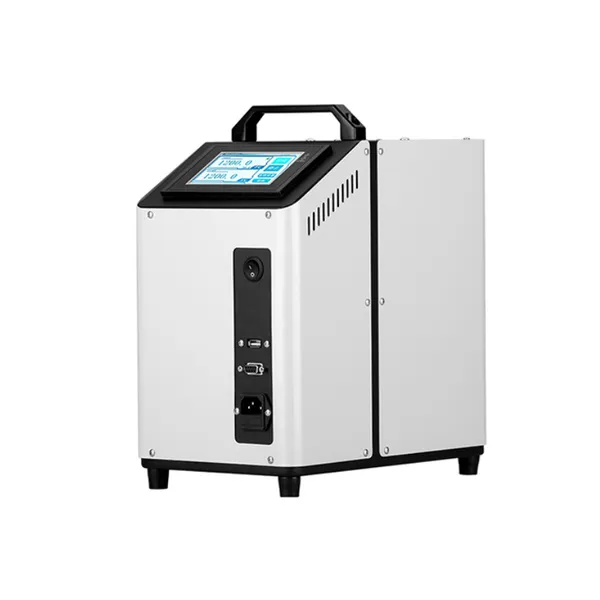
DY-JDL Laboratory Temperature Calibration Base Metal Thermocouple Calibration Furnace (300-1200c)NegotiableMOQ: 1 Piece
-
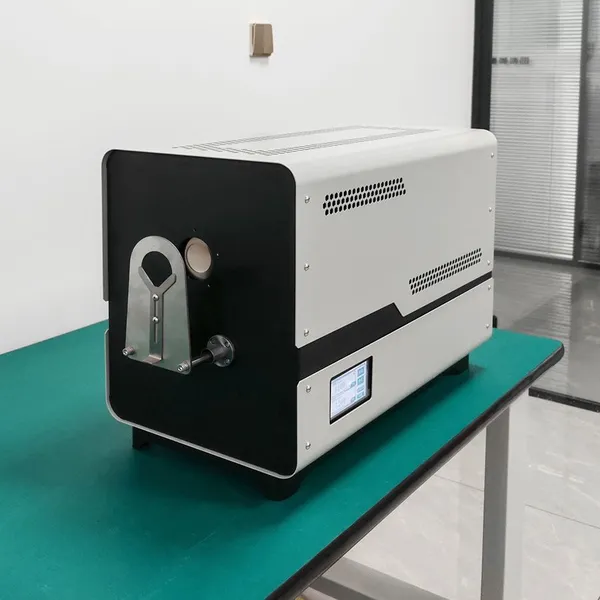
Thermocouple Cleaning and Annealing DeviceNegotiableMOQ: 1 Piece
-
Rapid Heating Blackbody Radiation Sources of Radiation Thermometry/ Standard Blackbody Stove(300-1200c)NegotiableMOQ: 1 Piece
-
High Precision Dry Block Temperature Calibrator/Dry Block Calibrator Definition(50-600c)NegotiableMOQ: 1 Piece
-
Thermocouple Annealing FurnaceNegotiableMOQ: 1 Piece
-
Rapid Heating Intelligent Dry Block Temperature Calibrator -120~40°CNegotiableMOQ: 1 Piece