 Business License

The difference between a thermostatic bath and a dry block calibrator
How should I choose between a dry-block calibrator and a thermostatic bath?
A dry-block calibrator is "a tool that provides precise temperature points for thermometers," while a constant-temperature bath is "an environment that creates a precise, stable temperature." The former excels in portability and efficiency, specializing in sensor calibration; the latter excels in uniformity and stability, and has a wider range of applications.
Detailed comparison table
| Dry Block Calibrator | Liquid Bath / Thermostatic Bath | |
| Core Principle | Heats/cools a metal block (heat block); creates a temperature field within the insert holes via metal conductivity. | Heats/cools a liquid medium (water, oil) or air; achieves uniform temperature through vigorous stirring/circulation. |
| Working Medium | Solid (metal block, e.g., aluminum, copper, stainless steel). | Liquid or Gas (water, silicone oil, alcohol, air, etc.). |
| Primary Purpose | Calibration and verification of temperature sensors. Designed specifically for probe-type instruments like thermocouples, RTDs, thermometers, and temperature switches. | Provides a precise, stable temperature environment. Used for sensor calibration, material testing, chemical reactions, biological incubation, viscosity measurement, etc. |
| Temperature Uniformity | Good. Depends on block machining precision and heating algorithms, but axial and radial temperature gradients exist within the insert holes. | Excellent. Powerful circulation ensures extremely high overall medium uniformity; commonly used as a primary temperature standard. |
| Stability | Good. Meets requirements for most industrial sensor calibration. | Excellent. Exhibits very low short-term fluctuation and long-term drift; typically more stable than dry blocks. |
| Portability | High. Compact, lightweight, no liquids; ideal for field calibration and mobile use. | Low. Typically bulky, heavy (especially oil baths), requires power and circulation systems; mostly fixed lab equipment. |
| Operation & Safety | Simple, clean, safe. Ready to use; minimal risk of leaks, fire, or burns (relative). | Relatively complex. Requires handling liquids (filling, changing); high-temperature oil baths pose burn and fire risks; higher maintenance.Key Calibration Consideration |
| Key Calibration Consideration | Insertion depth is critical. Heat loss from the exposed sensor stem causes significant error. Depth must be strictly defined and corrected for. | Insertion depth is less critical. Minimal heat loss impact if the sensor's sensing element is fully immersed and away from walls. |
| Typical Temperature Range | Common: -30°C to 700°C; Special models: -100°C to 1200°C. | Depends on medium: • Water Bath: Ambient to 95°C • Oil Bath: 70°C to 300°C • Special Low-Temp Bath: -80°C to 105°C |
1.Choose a dry-block calibrator when you need to
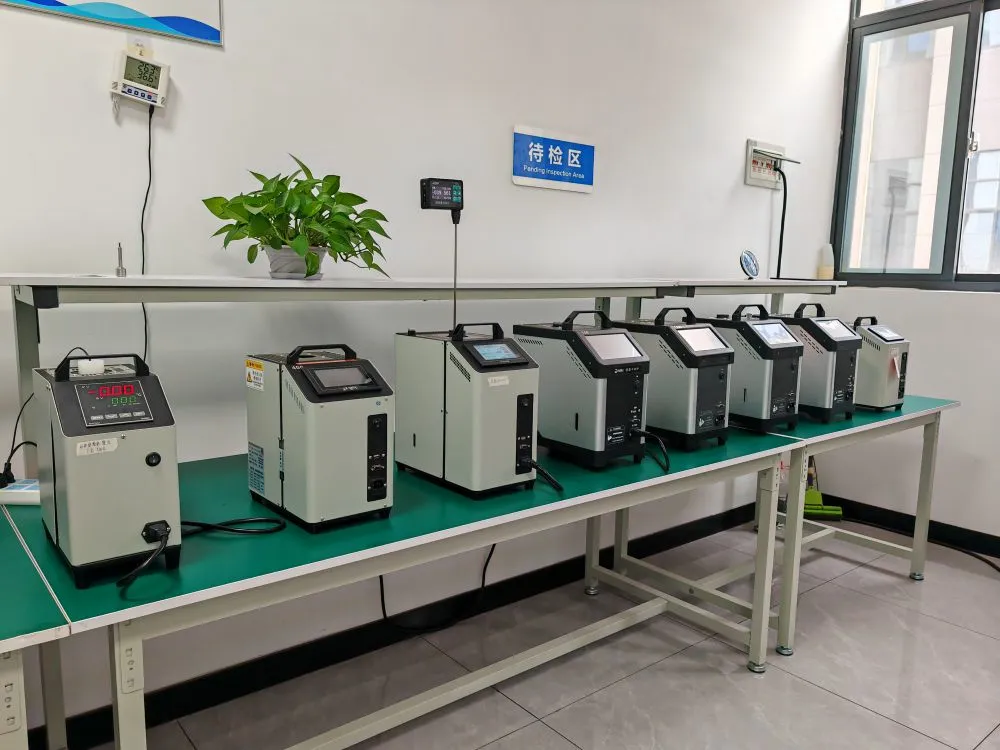
Quickly calibrate/test temperature sensors (such as thermocouples and resistance thermometers) in the laboratory or in the field.
Perform on-site instrument system verification (taking it to the factory floor).
Prioritize ease of operation, rapid heating and cooling, portability, and cleanliness.
Require absolute accuracy and uniformity within industrial-grade specifications.
2.Choose a constant temperature bath when you need to
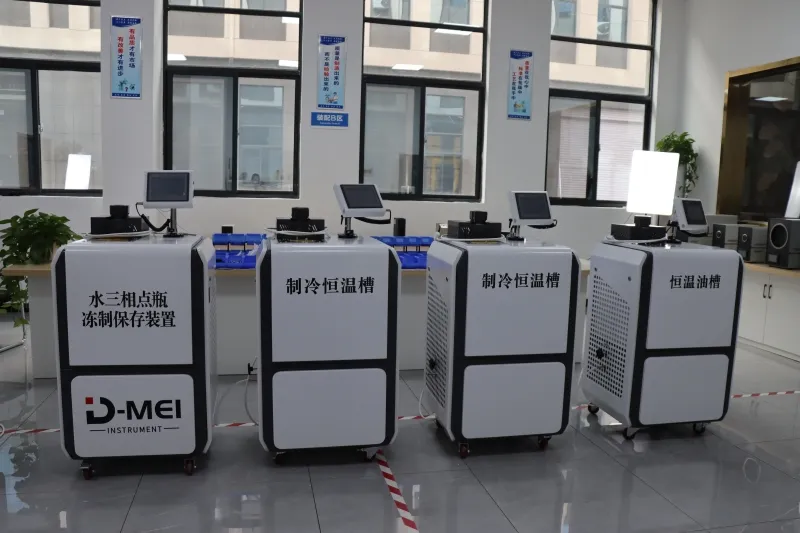
Perform the highest level of temperature sensor calibration (such as the verification of standard platinum resistance thermometers).
Test the performance of entire products, components, or materials under constant temperature conditions (such as component aging tests).
Conduct scientific experiments requiring a long-term, ultra-stable constant temperature environment (such as viscosity measurements, chemical reactions).
Calibrate temperature devices with special shapes or those that cannot be inserted into a dry-block calibrator (such as short probes, surface temperature sensors).
Recently Posted
-
Principles of Blackbody Radiation Sources
April 14, 2026Principles of Blackbody Radiation SourcesAll objects emit electromagnetic radiation within a specific range of wavelengths. Radiat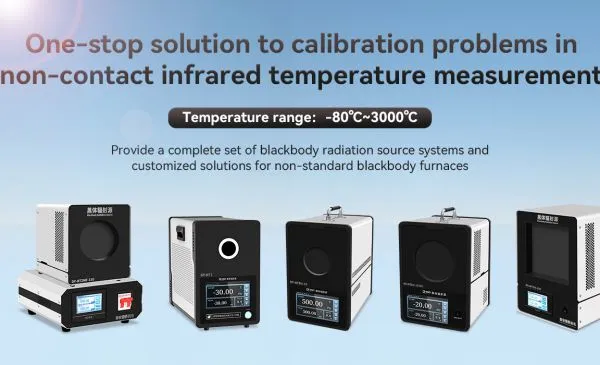 Read More
 -
Method for Calibrating Thermocouples Using a Dry-Block Calibrator
April 8, 2026Method for Calibrating Thermocouples Using a Dry-Block CalibratorDuring operation, the hot junction of a thermocouple is subject t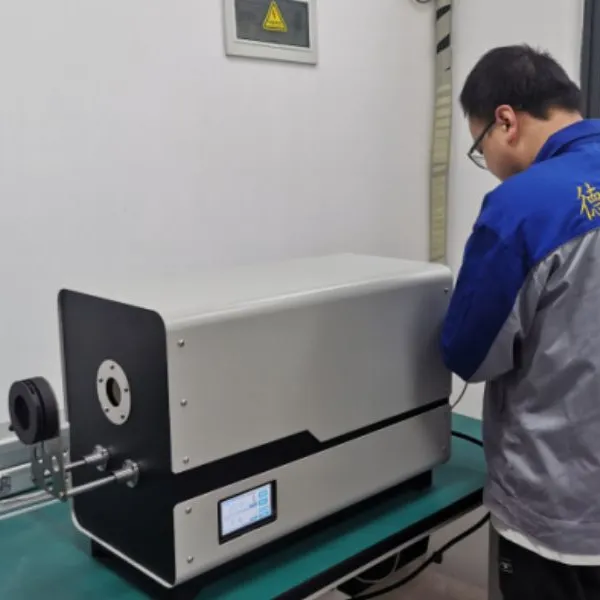 Read More
 -
Basic principles and temperature measurement errors of resistance temperature detectors (RTDs)
March 12, 2026Resistance temperature detectors (RTDs) are commonly used temperature sensing elements in the medium and low temperature range. Th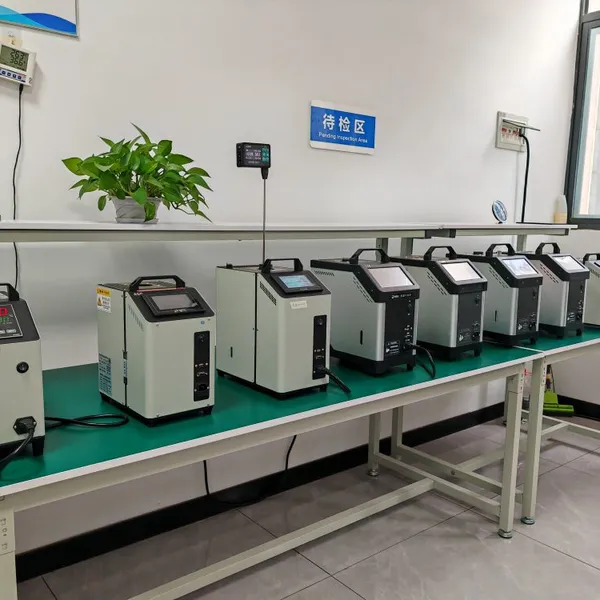 Read More
 -
The main differences between metrological calibration and verification
March 12, 2026ISO 10012—1, "Quality assurance requirements for metrological testing equipment," defines "calibration" as: &q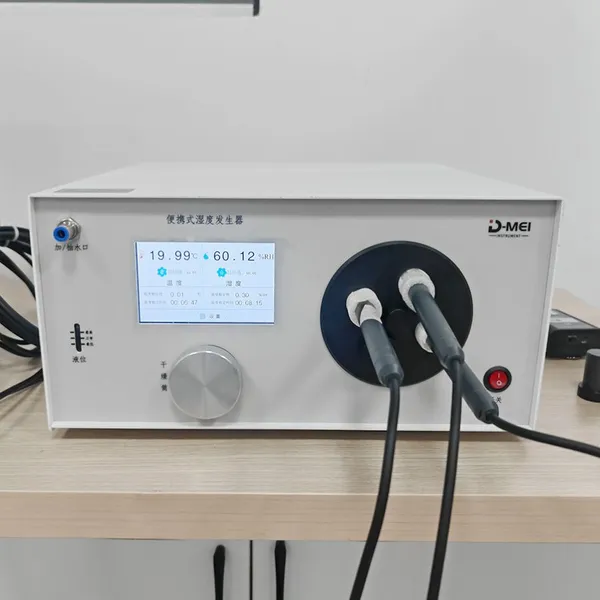 Read More

Contact Us
Recommended Products
-
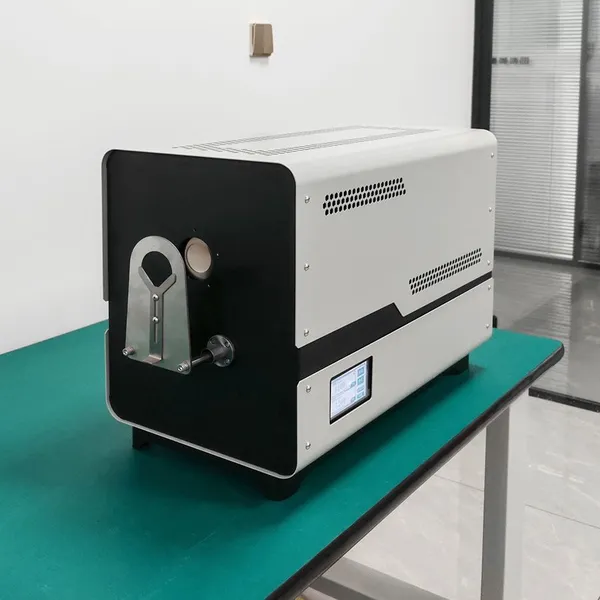
 DY-JDL600 High-temperature Thermocouple Calibration Tube FurnaceNegotiableMOQ: 1 Piece
 -
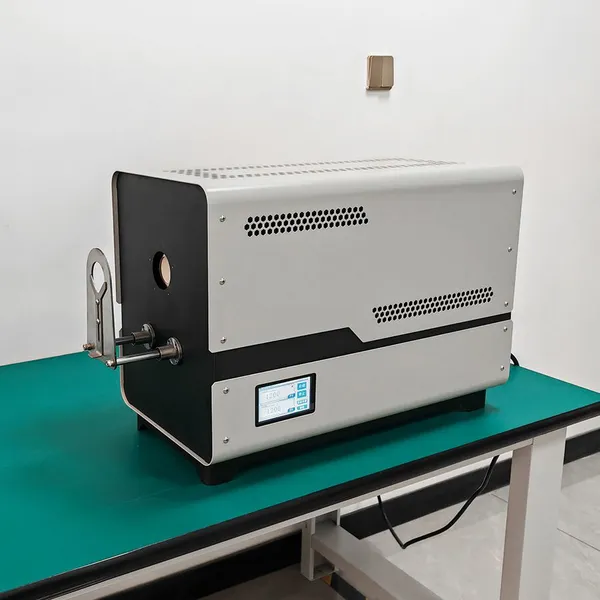
Laboratory High Precision Thermocouple Calibration Furnace/ Thermocouple Calibration FurnaceNegotiableMOQ: 1 Piece
-
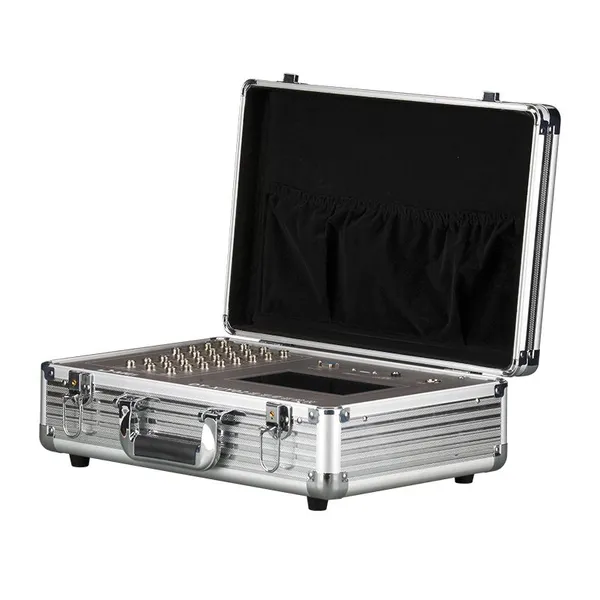
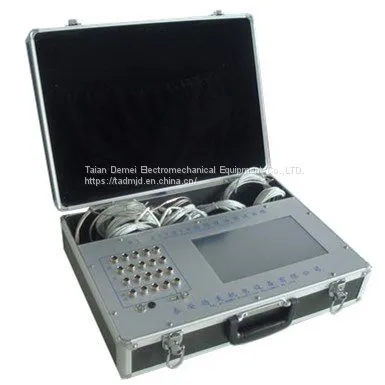
DY-XJY01B Portable Multi-Channel Temperature and Humidity Field Testing SystemNegotiableMOQ: 1 Set
-
DY-JDL600 Thermocouple Calibration Furnace(300-1200c)NegotiableMOQ: 1 Piece
-
DY-JDL Horizontal Laboratory Temperature CalibrationNegotiableMOQ: 1 Piece
-
Portable Multi-Channel Temperature and Humidity Field Testing SystemNegotiableMOQ: 1 Set
-
Portable Multi-Channel Temperature and Humidity Field Testing SystemNegotiableMOQ: 1 Set
-
DY-JDL Laboratory Temperature Calibration / Thermocouple Calibration FurnaceNegotiableMOQ: 1 Piece
-
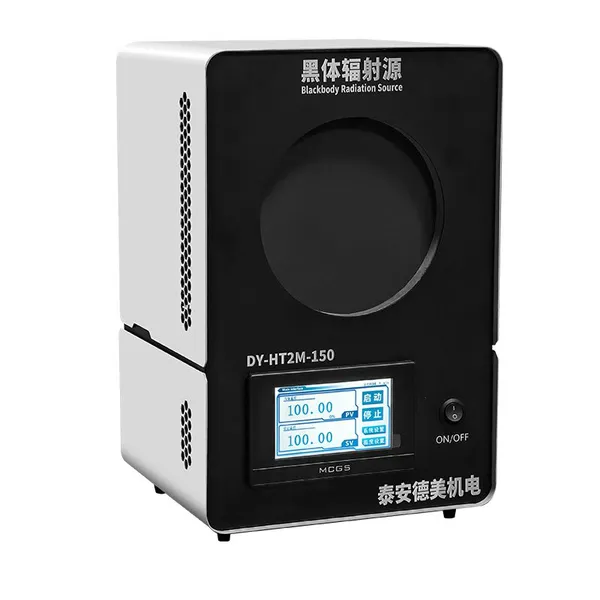
DY-HT2M-150 Medium Temperature Surface Source Blackbody Furnace, Radiation Surface 150mm (room Temperature +5-500℃)NegotiableMOQ: 1 Piece
-
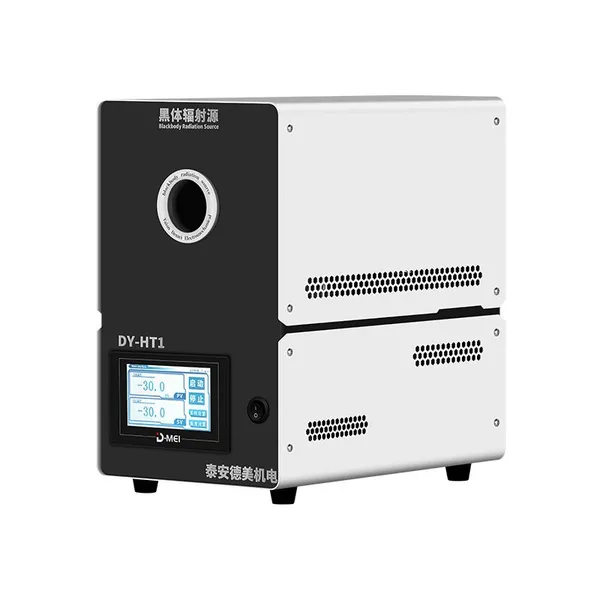
DY-HT1 Cavity Blackbody Radiation SourceNegotiableMOQ: 1 Set
-
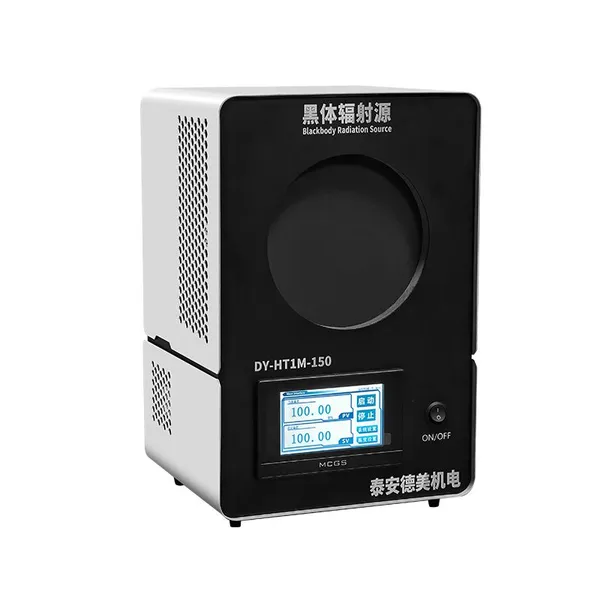
DY-HT1M-150 Low Temperature Surface Source Black Body Furnace, Radiation Surface 150mm (-20-100℃)Infrared Thermometer Calibration InstrumentNegotiableMOQ: 1 Piece
-
DY-GTLB Transformer Oil Level Thermometer Detection Device (-20℃-150℃)NegotiableMOQ: 1 Piece
-
DY-HT4-1 Blackbody Furnace/blackbody Radiation Source (800℃-1450℃)NegotiableMOQ: 1 Piece
-
DY-HT70MD Portable Intelligent Multi-faceted Blackbody Furnace (room Temperature +5°C~150℃)NegotiableMOQ: 1 Piece
-
DY-HT50M Portable Blackbody Furnace, Radiation Surface 50mm (room Temperature +5℃-500℃)/Infrared Thermometer Calibration InstrumentNegotiableMOQ: 1 Piece
-
DY-JDL Thermocouple Calibration FurnaceNegotiableMOQ: 1 Piece
-
DY-JDL Laboratory Temperature Calibration Base Metal Thermocouple Calibration Furnace (300-1200c)NegotiableMOQ: 1 Piece
-
Thermocouple Cleaning and Annealing DeviceNegotiableMOQ: 1 Piece
-
Rapid Heating Blackbody Radiation Sources of Radiation Thermometry/ Standard Blackbody Stove(300-1200c)NegotiableMOQ: 1 Piece
-
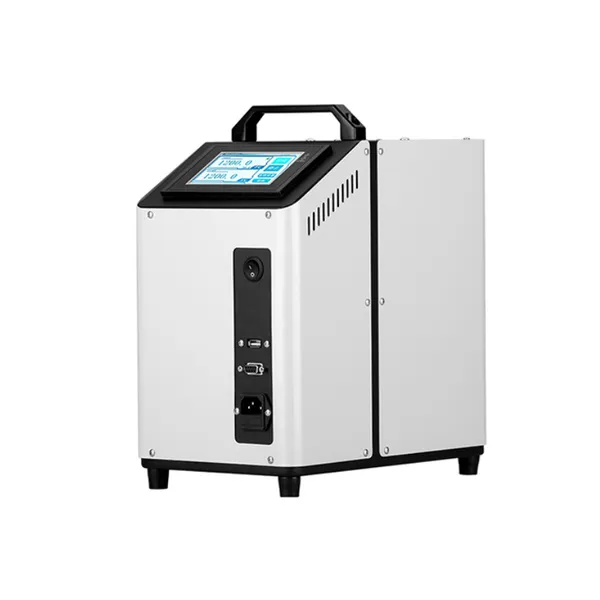
High Precision Dry Block Temperature Calibrator/Dry Block Calibrator Definition(50-600c)NegotiableMOQ: 1 Piece