 Business License

How do you calibrate an infrared thermometer?
How to calibrate an infrared thermometer?
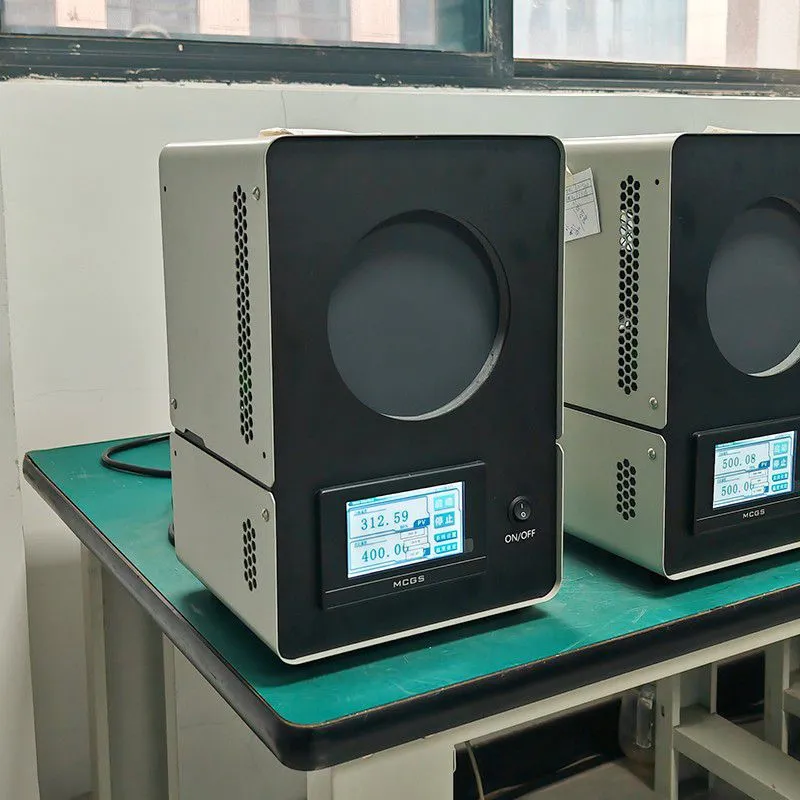
I. Calibration can be performed using a blackbody radiation source and a standard thermocouple of accuracy class 2 or higher, a photoelectric pyrometer, or an infrared thermometer with a higher accuracy class than the infrared thermometer being calibrated
II. All objects with a temperature above absolute zero continuously emit infrared radiation energy into the surrounding space. The magnitude of an object's infrared radiation energy and its distribution across wavelengths are closely related to its surface temperature.
Therefore, by measuring the infrared energy radiated by the object itself, its surface temperature can be accurately determined. This is the objective basis on which infrared radiation thermometry is based.
Further Information:
I. Blackbody Radiation Law:
A blackbody is an idealized radiator that absorbs all wavelengths of radiant energy, with no reflection or transmission of energy, and its surface emissivity is 1.
It should be noted that blackbodies do not exist in nature, but in order to understand and obtain the distribution law of infrared radiation, a suitable model is chosen in theoretical research. This is the quantized oscillator model of cavity radiation proposed by Planck, which led to Planck's blackbody radiation law, i.e., the spectral radiance of a blackbody expressed in terms of wavelength. This is the starting point of all infrared radiation theories, hence it is called the blackbody radiation law.
II. The Influence of Object Emissivity on Radiation Thermometry:
Almost all real objects existing in nature are not perfect blackbodies. The amount of radiation emitted by all real objects depends not only on the radiation wavelength and the object's temperature, but also on factors such as the type of material constituting the object, the manufacturing method, the thermal process, and the surface condition and environmental conditions.
Therefore, to make the blackbody radiation law applicable to all real objects, a proportionality coefficient related to the material properties and surface condition is introduced, namely emissivity.
This coefficient represents how closely the thermal radiation of a real object approximates that of a blackbody, and its value is between zero and a value less than 1. According to the radiation law, as long as the emissivity of the material is known, the infrared radiation characteristics of any object can be determined.
Recently Posted
-
Principles of Blackbody Radiation Sources
April 14, 2026Principles of Blackbody Radiation SourcesAll objects emit electromagnetic radiation within a specific range of wavelengths. Radiat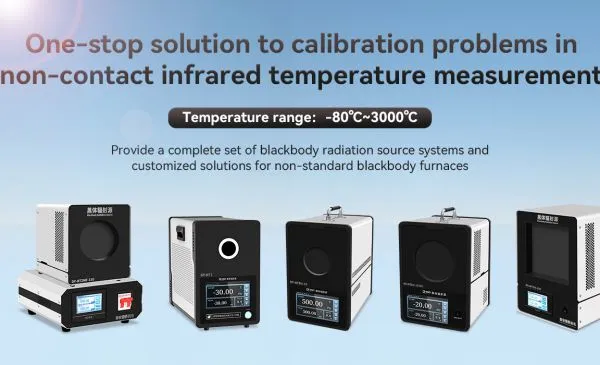 Read More
 -
Method for Calibrating Thermocouples Using a Dry-Block Calibrator
April 8, 2026Method for Calibrating Thermocouples Using a Dry-Block CalibratorDuring operation, the hot junction of a thermocouple is subject t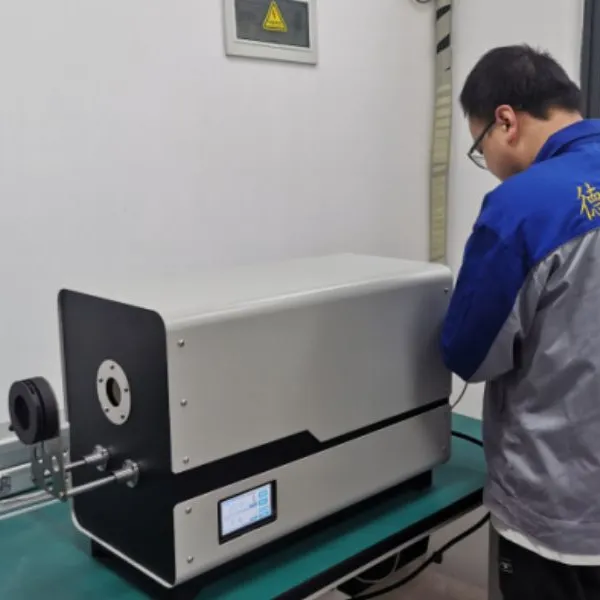 Read More
 -
Basic principles and temperature measurement errors of resistance temperature detectors (RTDs)
March 12, 2026Resistance temperature detectors (RTDs) are commonly used temperature sensing elements in the medium and low temperature range. Th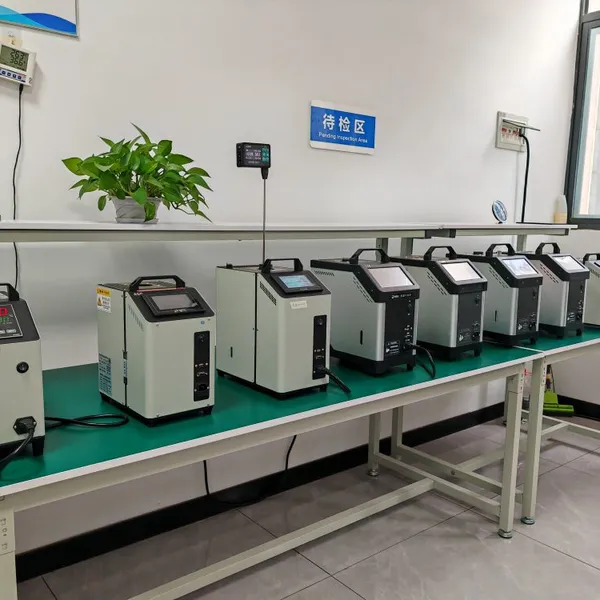 Read More
 -
The main differences between metrological calibration and verification
March 12, 2026ISO 10012—1, "Quality assurance requirements for metrological testing equipment," defines "calibration" as: &q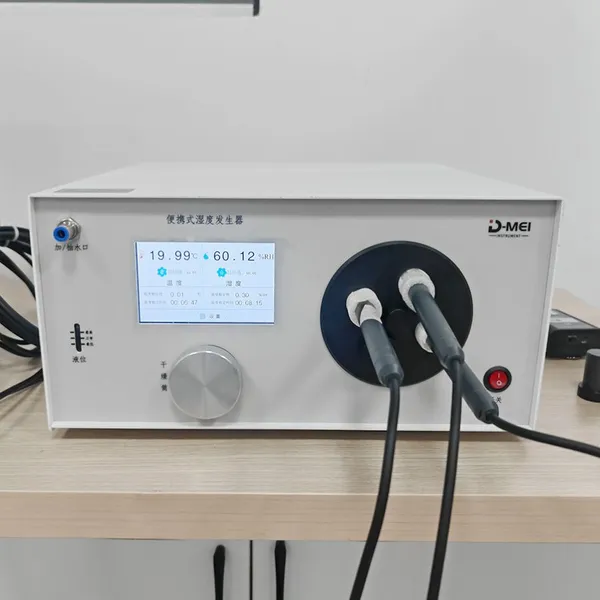 Read More

Contact Us
Recommended Products
-
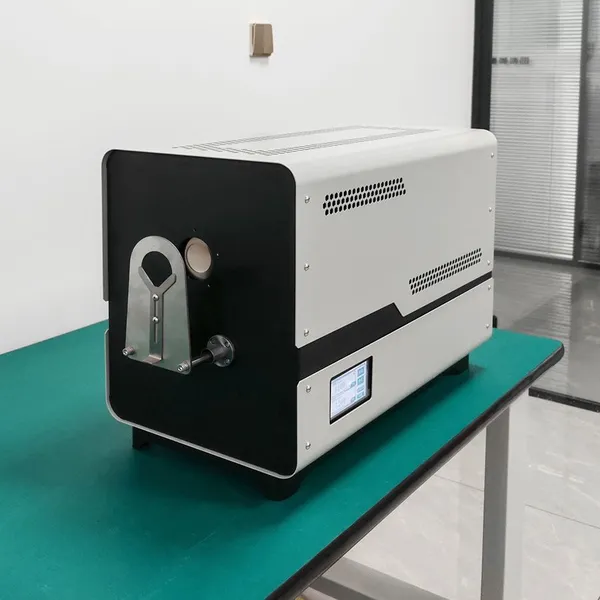
 DY-JDL600 High-temperature Thermocouple Calibration Tube FurnaceNegotiableMOQ: 1 Piece
 -
Laboratory High Precision Thermocouple Calibration Furnace/ Thermocouple Calibration FurnaceNegotiableMOQ: 1 Piece
-
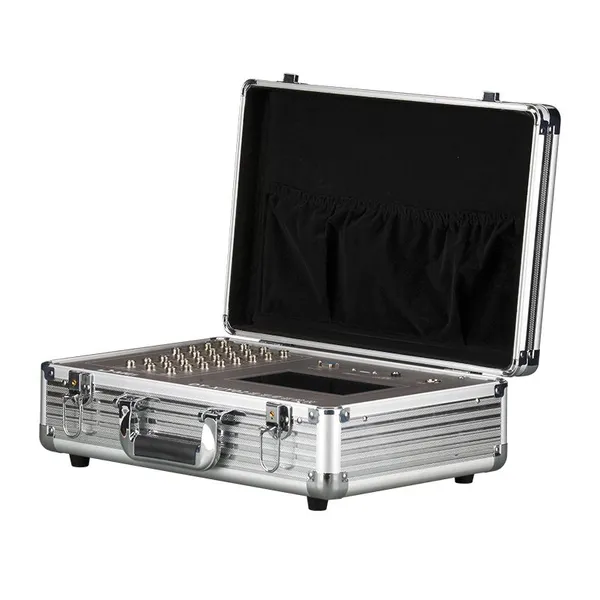
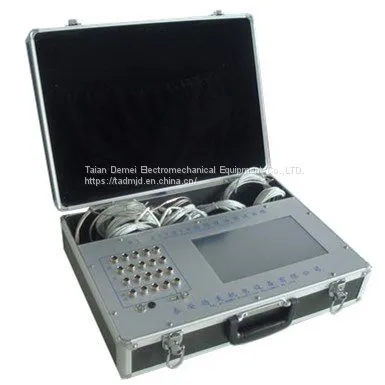
DY-XJY01B Portable Multi-Channel Temperature and Humidity Field Testing SystemNegotiableMOQ: 1 Set
-
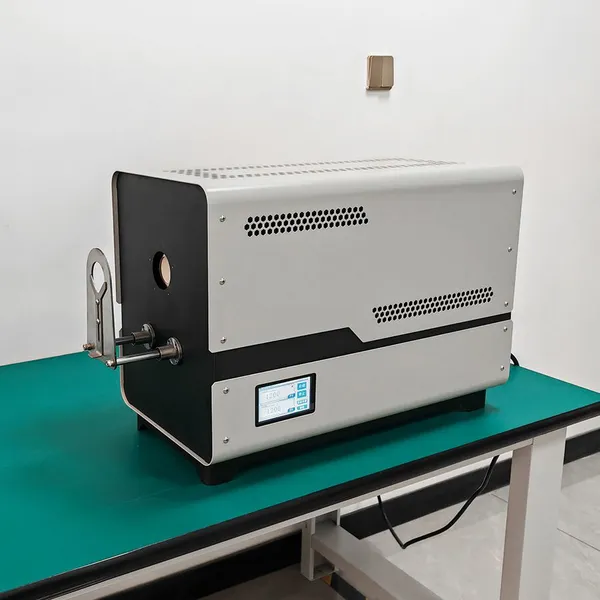
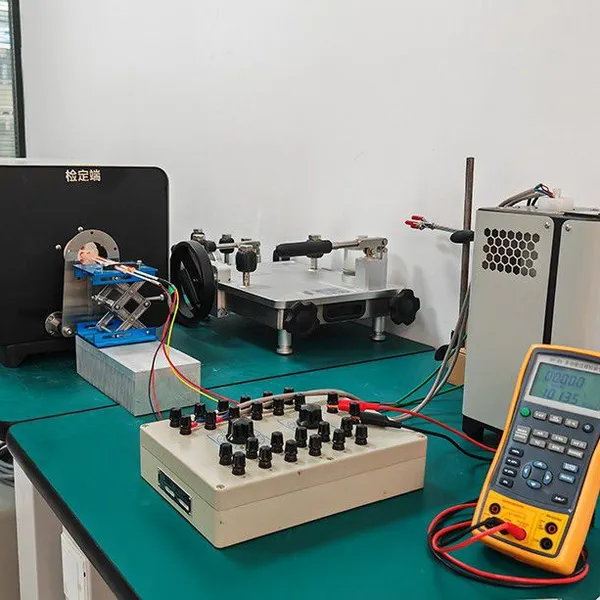
DY-JDL600 Thermocouple Calibration Furnace(300-1200c)NegotiableMOQ: 1 Piece
-
DY-JDL Horizontal Laboratory Temperature CalibrationNegotiableMOQ: 1 Piece
-
Portable Multi-Channel Temperature and Humidity Field Testing SystemNegotiableMOQ: 1 Set
-
Portable Multi-Channel Temperature and Humidity Field Testing SystemNegotiableMOQ: 1 Set
-
DY-JDL Laboratory Temperature Calibration / Thermocouple Calibration FurnaceNegotiableMOQ: 1 Piece
-
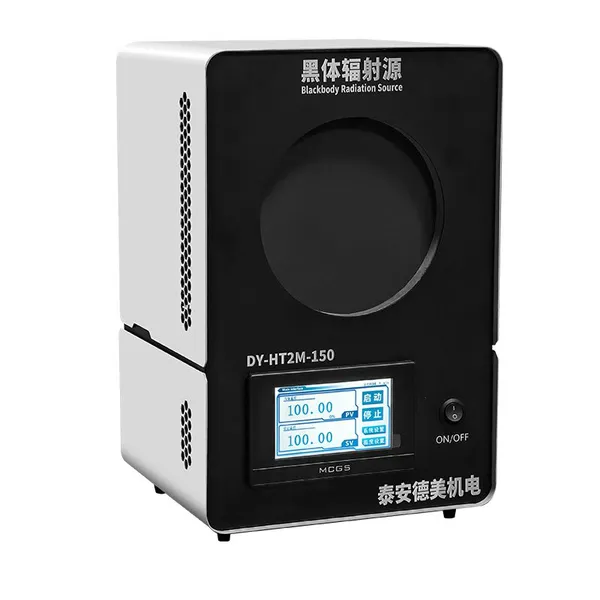
DY-HT2M-150 Medium Temperature Surface Source Blackbody Furnace, Radiation Surface 150mm (room Temperature +5-500℃)NegotiableMOQ: 1 Piece
-
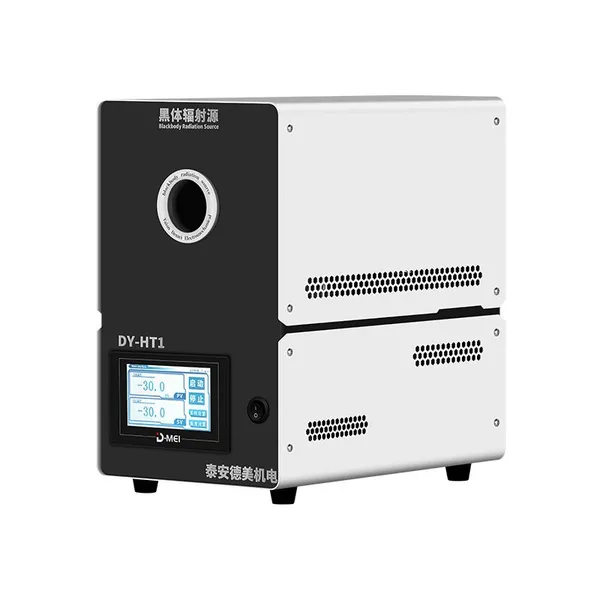
DY-HT1 Cavity Blackbody Radiation SourceNegotiableMOQ: 1 Set
-
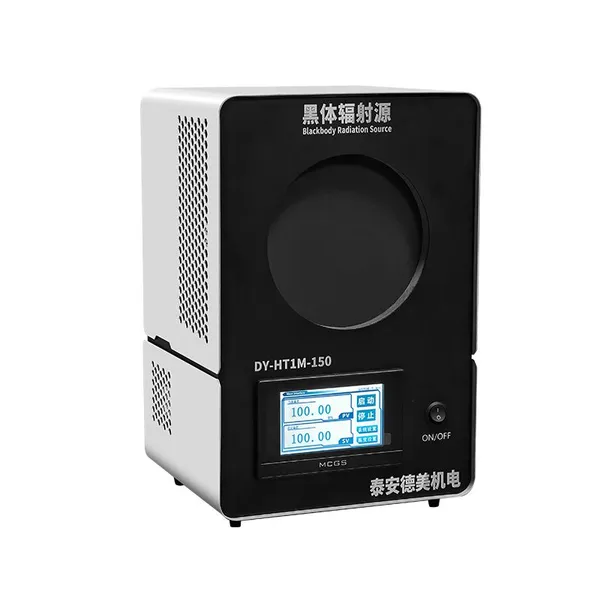
DY-HT1M-150 Low Temperature Surface Source Black Body Furnace, Radiation Surface 150mm (-20-100℃)Infrared Thermometer Calibration InstrumentNegotiableMOQ: 1 Piece
-
DY-GTLB Transformer Oil Level Thermometer Detection Device (-20℃-150℃)NegotiableMOQ: 1 Piece
-
DY-HT4-1 Blackbody Furnace/blackbody Radiation Source (800℃-1450℃)NegotiableMOQ: 1 Piece
-
DY-HT70MD Portable Intelligent Multi-faceted Blackbody Furnace (room Temperature +5°C~150℃)NegotiableMOQ: 1 Piece
-
DY-HT50M Portable Blackbody Furnace, Radiation Surface 50mm (room Temperature +5℃-500℃)/Infrared Thermometer Calibration InstrumentNegotiableMOQ: 1 Piece
-
DY-JDL Thermocouple Calibration FurnaceNegotiableMOQ: 1 Piece
-
DY-JDL Laboratory Temperature Calibration Base Metal Thermocouple Calibration Furnace (300-1200c)NegotiableMOQ: 1 Piece
-
Thermocouple Cleaning and Annealing DeviceNegotiableMOQ: 1 Piece
-
Rapid Heating Blackbody Radiation Sources of Radiation Thermometry/ Standard Blackbody Stove(300-1200c)NegotiableMOQ: 1 Piece
-
High Precision Dry Block Temperature Calibrator/Dry Block Calibrator Definition(50-600c)NegotiableMOQ: 1 Piece